
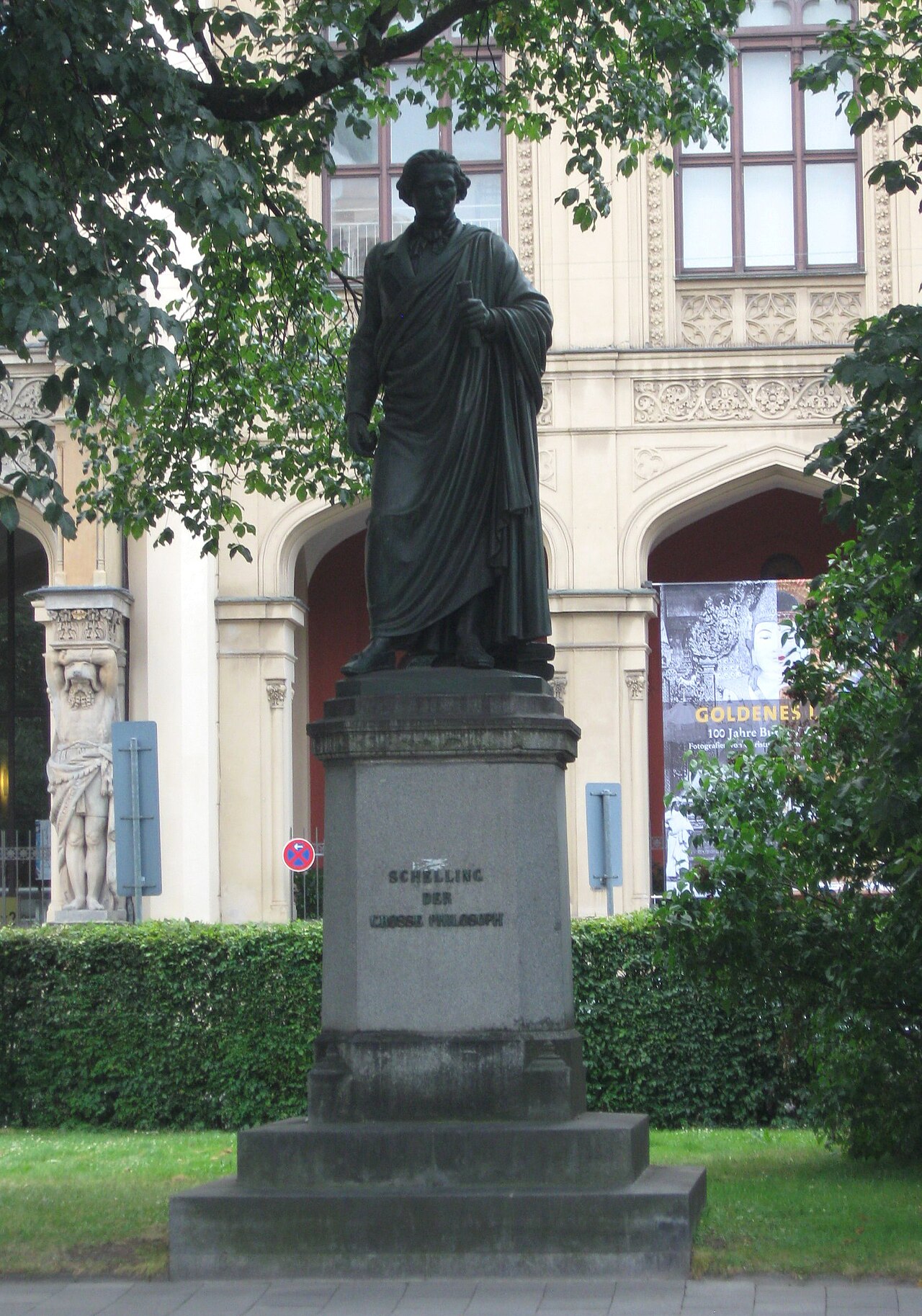
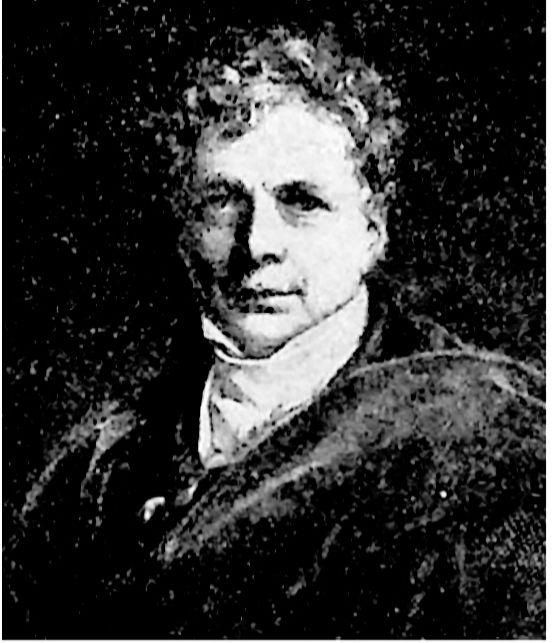
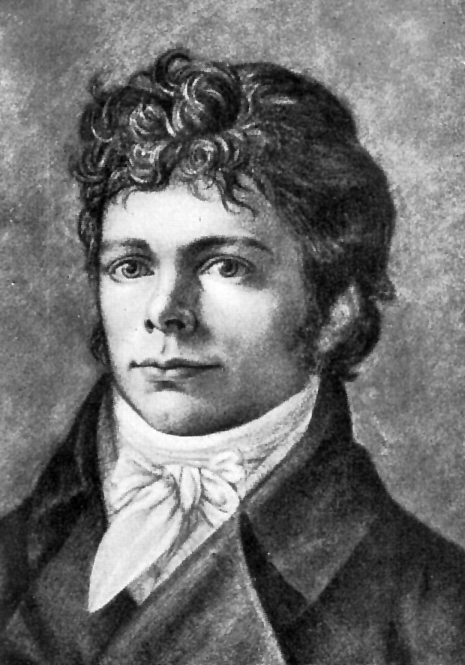
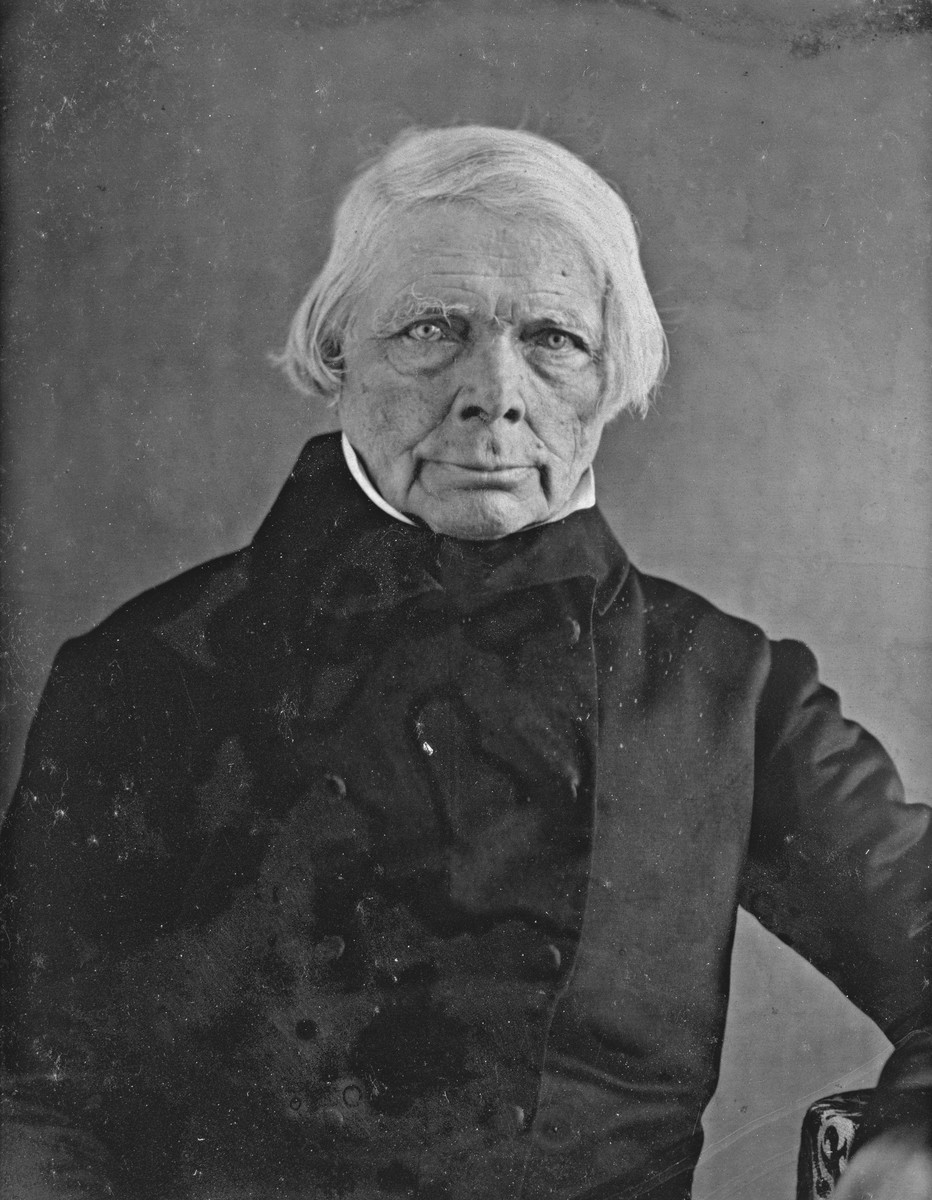
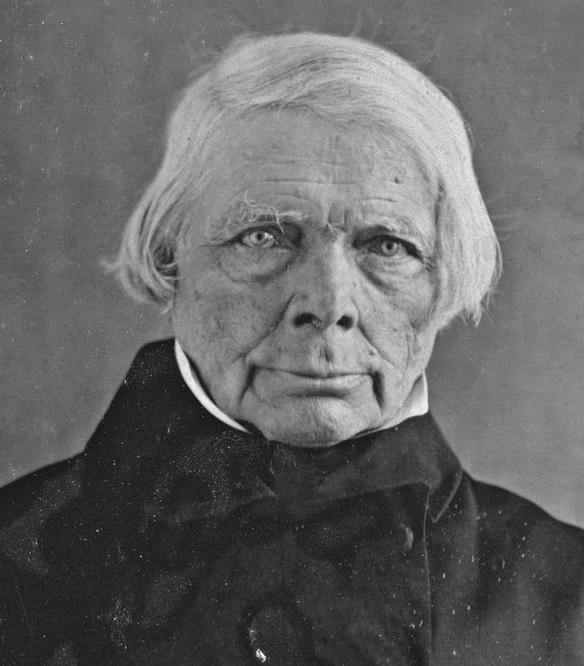
Friedrich Wilhelm Joseph Schelling
German philosopher, midpoint between Fichte and Hegel.

Rufus46 · CC BY-SA 3.0
Friedrich Wilhelm Joseph Schelling was a German philosopher. Standard histories of philosophy make him the midpoint in the development of German idealism, situating him between Johann Gottlieb Fichte, his mentor in his early years, and Georg Wilhelm Friedrich Hegel, his one-time university roommate, early friend, and later rival. Interpreting Schelling's philosophy is regarded as difficult because of its evolving nature. Schelling's thought in the main has been neglected, especially in the English-speaking world, partly due to the ascendancy of Hegel, whose mature works portray Schelling as a mere footnote in the development of idealism. His Naturphilosophie has also been attacked by scientists for its tendency to analogize and lack of empirical orientation.
- field
- Philosophy
- nationality
- German
- known_for
- Midpoint in German idealism; Naturphilosophie
Lore & Background
Schelling was born in Leonberg in the Duchy of Württemberg, the son of a Lutheran pastor. He attended the Latin school in Nürtingen and the monastic school at Bebenhausen. At age 15, he enrolled at the Tübinger Stift, where he shared a room with Hegel and Friedrich Hölderlin. He studied the Church Fathers and ancient Greek philosophers, and his interest shifted from Lutheran theology to philosophy.
Reader's Guide
Schelling's significance lies in his role as the midpoint in German idealism, bridging Fichte's subjective idealism and Hegel's absolute idealism. His evolving philosophy, particularly his Naturphilosophie, influenced Romanticism but was later overshadowed by Hegel's mature works, which depicted Schelling as a mere footnote. Despite neglect, especially in the English-speaking world, some later philosophers have shown interest in re-examining his body of work. His later break with Fichte and Hegel, and his public antagonism toward Hegelianism after Hegel's death, mark his legacy as a complex, often misunderstood thinker.
Did You Know?
- Schelling enrolled at the Tübinger Stift at age 15, despite the normal enrollment age being 20.
- He shared a room at the Stift with Hegel and Hölderlin, and the three became good friends.
- Schelling's Naturphilosophie was attacked by scientists for its tendency to analogize and lack of empirical orientation.
Formative Years at Tübingen
Born in Leonberg in the Duchy of Württemberg on 27 January 1775, Schelling was the son of a Lutheran pastor who also held a chair in Oriental studies. His early schooling carried him first to a Latin school in Nürtingen, where he encountered the poet Friedrich Hölderlin, then to the monastic school at Bebenhausen near Tübingen. In October 1790, at just fifteen—well below the standard enrollment age of twenty—he received special permission to enter the Tübinger Stift, the seminary of the Evangelical-Lutheran Church in Württemberg. There he shared a room with both Hölderlin and the young Hegel, and the three formed a tight friendship. His studies initially centered on the Church Fathers and ancient Greek thought, but his intellectual gravity gradually shifted away from Lutheran theology toward philosophy. He completed his master's thesis in 1792 and his doctoral work in 1795 under Gottlob Christian Storr, while simultaneously absorbing the ideas of Kant and Fichte, who would leave a deep and lasting imprint on his developing thought.
The Jena Crucible
In October 1798, at twenty-three, Schelling was appointed extraordinary professor of philosophy at the University of Jena, a position that placed him at the very heart of Romantic intellectual life. His close association with Goethe, who valued the poetic dimension of Schelling's Naturphilosophie and had read Von der Weltseele, gave the appointment particular prestige. Yet Schelling found himself at odds with the ethical idealism championed by Schiller, and his 1802–03 Lecture on the Philosophy of Art mounted a pointed critique of Schiller's theory of the sublime. His relationship with Fichte, his former mentor, deteriorated as their views on nature diverged; Schelling dismissed Fichte's Wissenschaftlehre as cold and abstract. The Jena years were also marked by intense personal drama: the death of Caroline Schlegel's young daughter Auguste in 1800 drew Schelling and Caroline together, and the couple married in June 1803. Throughout this period, Schelling maintained a productive if complicated partnership with Hegel, co-editing the Kritisches Journal der Philosophie from early 1802 until the journal ceased publication in spring 1803.
The Neglected Midpoint
Standard histories of philosophy position Schelling as the pivotal link between Fichte and Hegel in the trajectory of German idealism, yet his thought has suffered persistent neglect, particularly in the English-speaking world. One major reason for this marginalization is Hegel's own ascendancy: Hegel's mature works cast Schelling as little more than a passing footnote in the story of idealism's development. Compounding the problem, Schelling's Naturphilosophie drew criticism from the scientific community for its reliance on analogy and its apparent lack of empirical grounding. Adding to the difficulty, scholars note that interpreting Schelling's philosophy is inherently challenging because of its constantly evolving character—his ideas shifted significantly across different periods of his life. Nevertheless, the tide has begun to turn. More recent philosophers have expressed a renewed interest in re-examining his body of work, suggesting that the intellectual landscape is finally ready to take Schelling's contributions more seriously than the Hegelian tradition allowed.
A Web of Friendship and Rivalry
Schelling's personal life was inseparable from the intellectual circles he inhabited. A six-week visit to Dresden in August 1797, while escorting two aristocratic youths, introduced him to the Schlegel brothers—August Wilhelm and Karl Friedrich—and to Caroline, then still married to August Wilhelm. He also met Novalis during this trip. The Dresden collections of the Elector of Saxony left a lasting impression that he later drew upon in his thinking about art. Back in Jena, Schelling's bond with August Wilhelm and Caroline deepened, and after Auguste Böhmer's death from dysentery in 1800, the emotional aftermath pulled Schelling and Caroline even closer. Schlegel eventually moved to Berlin, and Goethe assisted in pursuing a divorce. Schelling and Caroline married on 2 June 1803, in a ceremony that marked the last time Schelling saw his old Tübingen friend Hölderlin, who was already suffering from mental illness. Meanwhile, his relationship with Hegel oscillated between genuine collaboration—co-editing a journal and supporting each other's academic positions—and quiet philosophical divergence that would eventually harden into rivalry.
Gallery

Frequently Asked Questions
Where does Schelling sit between Fichte and Hegel?
In his early career Schelling studied under Fichte, and he later shared a university residence with Hegel, with whom he was initially close. Over time that friendship turned into intellectual rivalry, and standard histories of philosophy treat Schelling as the pivotal link connecting the two thinkers' systems.
Why is Schelling's philosophy considered so hard to pin down?
His ideas shifted dramatically across his career, moving from early idealist themes through nature-philosophy to a later, more theistic phase. Because of that constant evolution, commentators find it difficult to summarize a single, stable Schelling doctrine.
Why has Schelling been neglected, especially in English-speaking philosophy?
Hegel's later works cast Schelling in a negative light, and Hegel's own system went on to dominate the field. As a result, Schelling's contributions have received far less sustained attention in the Anglophone world than they have in German-language scholarship.
What is Schelling's main lasting contribution to philosophy?
He is most widely credited with developing Naturphilosophie, an attempt to understand nature as a dynamic, self-organizing whole rather than a collection of inert objects. This project influenced later thinkers in aesthetics, theology, and the philosophy of nature well beyond the immediate German-idealist circle.
More in Philosophers 1-24
Elsewhere in the Philosophers universe
Spotted an error? Know more?
This is a living reference — every entry is fact-audited, and reader corrections feed straight into our audit queue. Suggest an edit · See this site's audit record