Friedrich Schleiermacher
German theologian who reconciled Enlightenment criticism with Protestant Christianity.

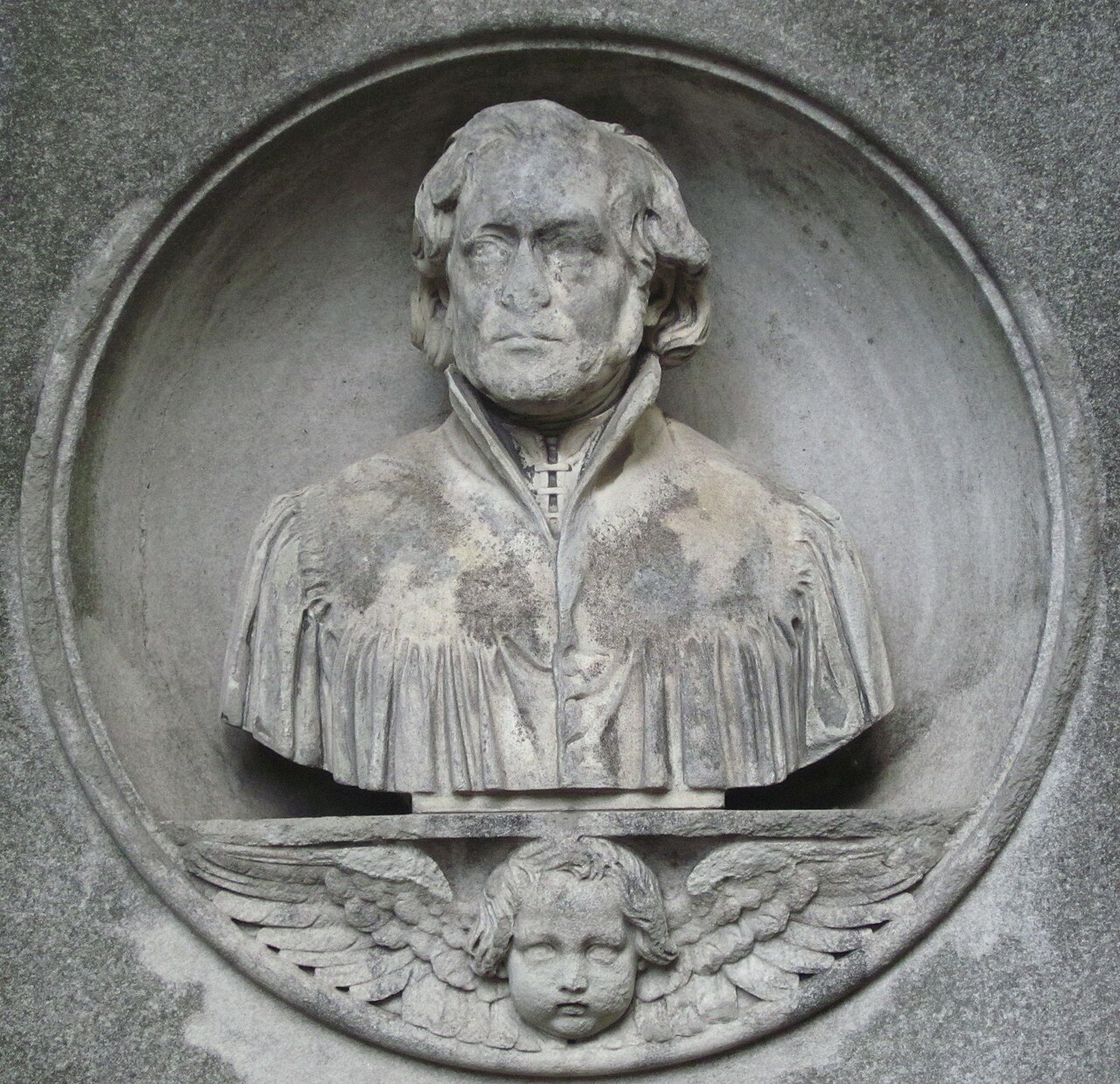
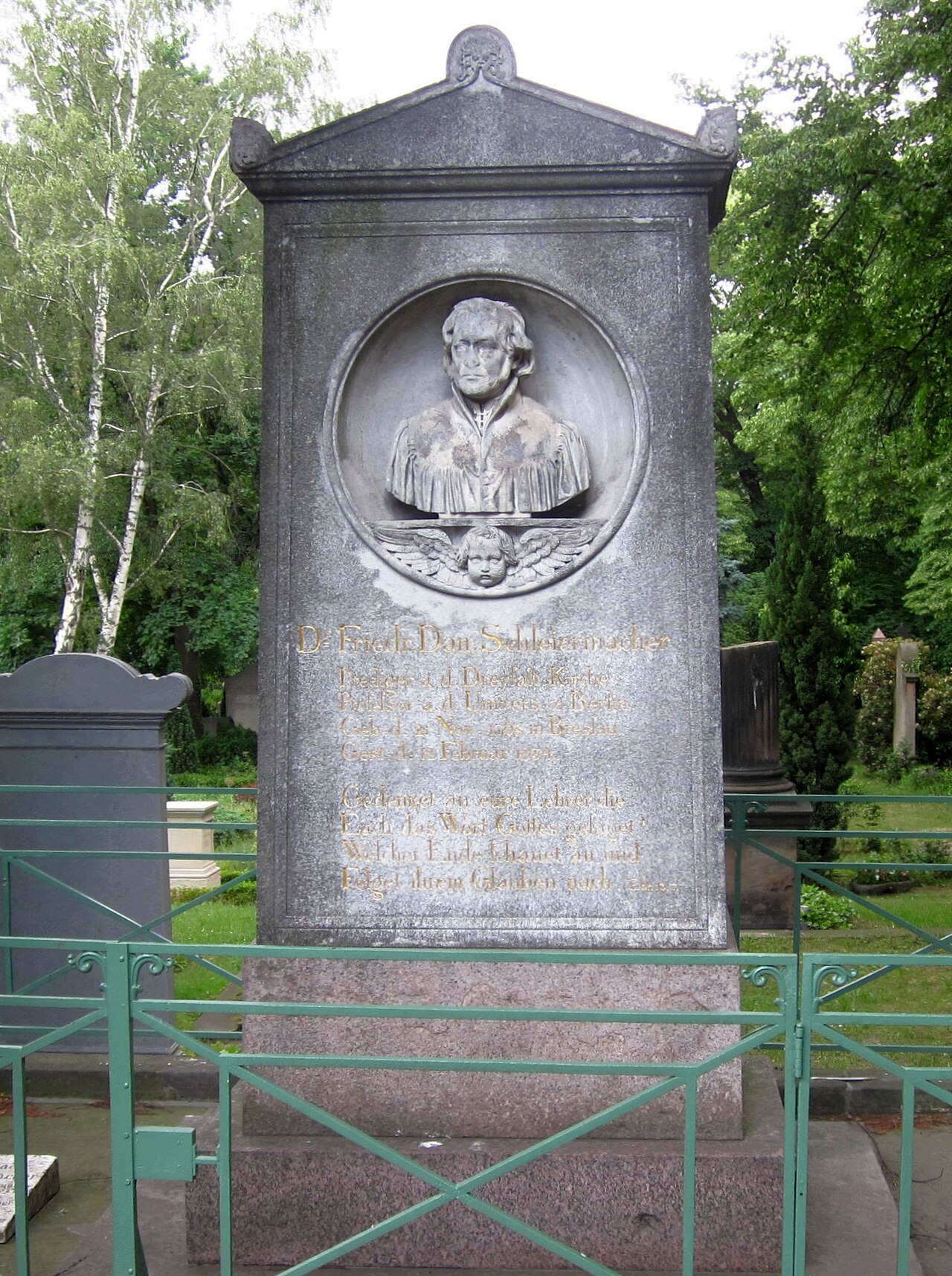
Jörg Zägel · CC BY-SA 3.0
Friedrich Daniel Ernst Schleiermacher was a German Reformed theologian, pastor, philosopher, and biblical scholar. He is known for his attempt to reconcile the criticisms of the Enlightenment with traditional Protestant Christianity, and his work forms part of the foundation of the modern field of hermeneutics. Because of his profound effect on subsequent Christian thought, he is often called the 'Father of Modern Liberal Theology' and is considered an early leader in liberal Christianity.
- born
- 21 November 1768
- died
- 12 February 1834
- field
- Theology, philosophy, biblical scholarship
- nationality
- German
- known_for
- Reconciling Enlightenment criticism with Protestant Christianity; founding moder
Verified Timeline
Lore & Background
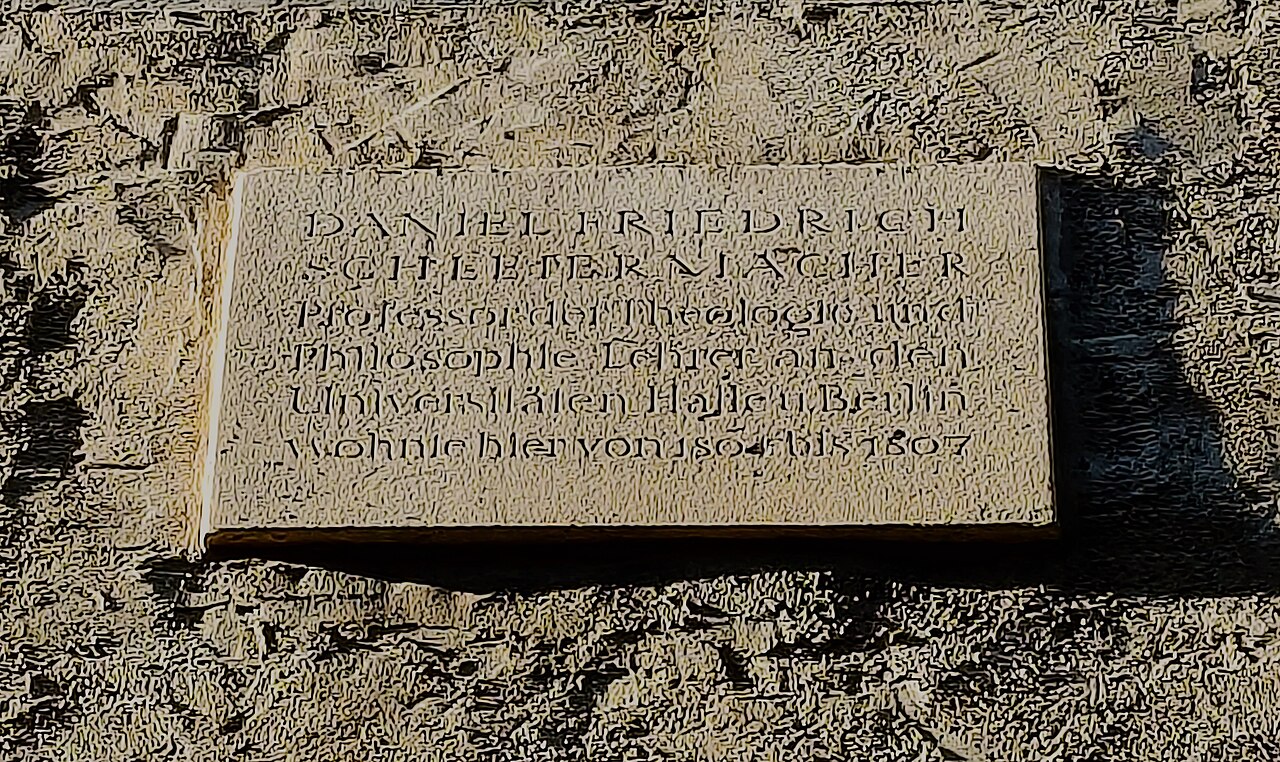
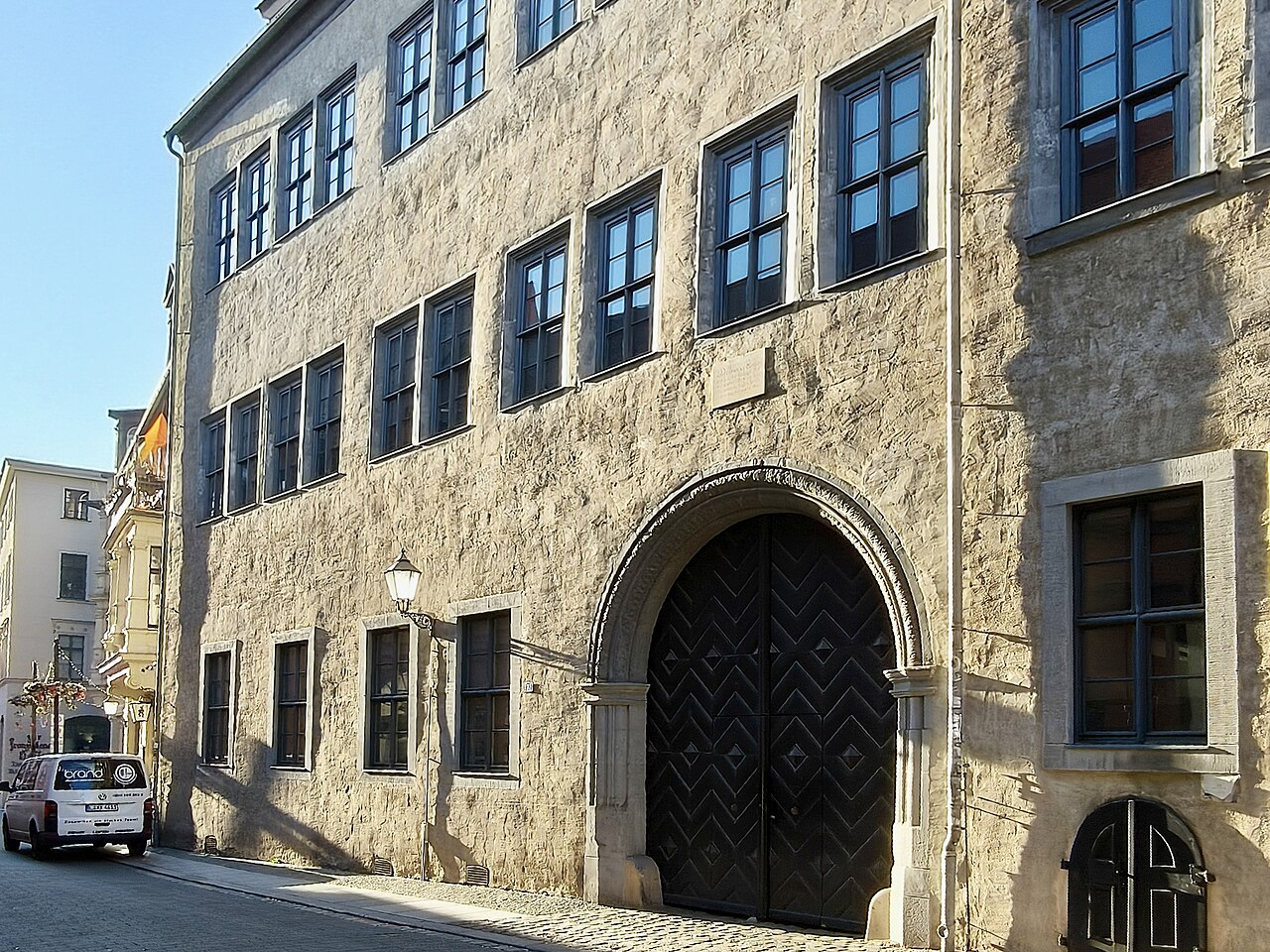
Schleiermacher was born in Breslau in Prussian Silesia on 21 November 1768, the grandson of Daniel Schleiermacher, a pastor at one time associated with the Zionites, and the son of Gottlieb Schleiermacher, a Reformed Church chaplain in the Prussian army. He started his formal education in a Moravian school at Niesky in Upper Lusatia, and at Barby near Magdeburg. However, pietistic Moravian theology failed to satisfy his increasing doubts, and his father reluctantly gave him permission to enter the University of Halle, which had already abandoned pietism and adopted the rationalist spirit of Christian Wolff and Johann Salomo Semler. As a theology student, Schleiermacher attended the lectures of Semler and became acquainted with the techniques of historical criticism of the New Testament, and of Johann Augustus Eberhard from whom he acquired a love of the philosophy of Plato and Aristotle. He also studied the writings of Immanuel Kant and Friedrich Heinrich Jacobi. Schleiermacher developed a deep-rooted skepticism as a student and soon rejected orthodox Christianity. He was ordained in 1794. Two years later, in 1796, he became chaplain to the Charité Hospital in Berlin. There he became acquainted with art, literature, science and general culture, and was strongly influenced by German Romanticism, as represented by his friend Karl Wilhelm Friedrich von Schlegel. The literary product of that period was his influential book, 'On Religion: Speeches to Its Cultured Despisers', and his 'Monologen'. From 1802 to 1804, Schleiermacher served as a pastor of a small Reformed church in the Pomeranian town of Stolp. In 1804, he moved to become university preacher and professor of theology to the University of Halle, where he remained until 1807. After the Battle of Jena, he returned to Berlin, was soon appointed pastor of the Trinity Church, and on 18 May 1809 married Henriette von Willich. At the foundation of the University of Berlin in 1810, Schleiermacher obtained a theological chair and soon became secretary to the Prussian Academy of Sciences.
Reader's Guide
Schleiermacher's significance lies in his foundational role in modern liberal theology and hermeneutics. His work 'On Religion' gave religion an unchanging place among the divine mysteries of human nature, distinguished it from what he regarded as current caricatures of religion and described the perennial forms of its manifestation. His dogmatic work 'The Christian Faith' (first edition 1821–1822, second edition 1830–1831) is based on the principle that the source and basis of dogmatic theology are the religious feeling, the sense of absolute dependence on God as communicated by Jesus through the church. He also wrote 'Outlines of a Critique of the Doctrines of Morality to date' (1803) and began his lectures on hermeneutics in 1805, continuing them until 1833. The neo-orthodoxy movement of the twentieth century, typically seen to be spearheaded by Karl Barth, was in many ways an attempt to challenge his influence. As a philosopher he was a leader of German Romanticism. He also took a prominent part in the reorganization of the Prussian church and became the most powerful advocate of the union of the Lutheran and Reformed divisions of German Protestantism, paving the way for the Prussian Union of Churches in 1817.
Did You Know?
- Schleiermacher confessed in a letter to his father on 21 January 1787 that he could not believe in the divinity of Christ or vicarious atonement.
- He served as chaplain to the Charité Hospital in Berlin starting in 1796.
- Schleiermacher began his lectures on hermeneutics in 1805 and continued them until 1833.
- He married Henriette von Willich on 18 May 1809.
- Schleiermacher was a key advocate for the union of Lutheran and Reformed churches in Prussia, leading to the Prussian Union of Churches in 1817.
The Architect of a New Theological Language
Friedrich Schleiermacher occupied a constellation of roles across his career: Reformed theologian, pastor, philosopher, and biblical scholar. Ordained in 1794, he served as chaplain at the Charité Hospital in Berlin by 1796 and later pastored a small Reformed congregation in Stolp, Pomerania, from 1802 to 1804. His intellectual output spanned philosophy, theology, and literary criticism. His most celebrated works include Reden über die Religion (On Religion: Speeches to Its Cultured Despisers), which positioned religion as an unchanging element within human nature and set the program for his later theological system, and the Monologen (Soliloquies), an ethical manifesto exploring the freedom and independence of the spirit. His Grundlinien einer Kritik der bisherigen Sittenlehre (1803) offered a sweeping critique of prior moral systems, including those of Kant and Fichte, while showing particular favor toward Plato and Spinoza. He also contributed to a multi-volume Plato translation project undertaken with Friedrich Schlegel. His methods in biblical scholarship laid groundwork for higher criticism, and his interpretive work forms part of the foundation of modern hermeneutics.
The Crisis That Forged a Thinker
As a young student at the University of Halle, Schleiermacher underwent a profound spiritual rupture. Raised in the pietistic Moravian tradition, he had already grown restless with its theology. At Halle, where rationalist currents dominated, his doubts crystallized into outright rejection of orthodox Christianity. In a devastating letter dated 21 January 1787, he confessed to his father that faith had been lost to him. He could no longer accept that the historical Jesus was the eternal God or that his death constituted a vicarious atonement. His father, who had earlier dismissed skeptical literature as not worth his son's time, had called faith the regalia of the Godhead—God's royal due. For six months before that confession, Schleiermacher had been silent, his silence itself a kind of declaration. This crisis did not end his religious life but fundamentally redirected it. He moved from inherited doctrine toward a reconstruction grounded in human feeling, emotion, and imagination, a trajectory that would define his mature theological project.
A Legacy That Divided a Century
Schleiermacher is frequently called the Father of Modern Liberal Theology, a title reflecting his sustained attempt to reconcile the criticisms of the Enlightenment with traditional Protestant Christianity. His influence on subsequent Christian thought was so pervasive that the twentieth-century neo-orthodoxy movement, most prominently associated with Karl Barth, was in significant part a reaction against his intellectual legacy. Barth and his followers challenged Schleiermacher's emphasis on human feeling and his integration of reason and faith, though this opposition was not without internal debate. Beyond theology proper, Schleiermacher's methods in biblical scholarship contributed to the evolution of higher criticism, and his interpretive work forms part of the foundation of the modern field of hermeneutics. His philosophical contributions placed him among the leaders of German Romanticism. The breadth of his impact—spanning systematic theology, biblical studies, philosophy, and literary theory—makes him one of the most consequential German intellectuals of the early nineteenth century.
The Social Philosopher in Berlin's Salons
Beyond his academic output, Schleiermacher was deeply embedded in the social and cultural life of his era. After completing his studies at Halle, he became a private tutor to the Dohna-Schlobitten family, where he cultivated a deep love of family and social life within a cultivated aristocratic household. In Berlin, as chaplain at the Charité Hospital, he found the pulpit too narrow for his ambitions and instead immersed himself in the city's intellectual circles, engaging with art, literature, science, and general culture. His friendship with the Romantic writer Karl Wilhelm Friedrich von Schlegel profoundly shaped his thinking, and his Confidential Letters on Schlegel's Lucinde bear witness to that bond. His seven-year relationship (1798–1805) with Eleonore Christiane Grunow, the wife of a Berlin clergyman, marked a period of intense personal and intellectual development during which he placed greater emphasis on human emotion and the imagination. He also collaborated with Schlegel on a multi-volume translation of Plato, a project that stretched across decades.
Gallery
Frequently Asked Questions
Who is Friedrich Schleiermacher?
He was a German theologian, pastor, philosopher, and biblical scholar active in the late eighteenth and early nineteenth centuries. He is best known for attempting to bridge Enlightenment-era rationalism with traditional Protestant Christianity.
What is Friedrich Schleiermacher most famous for?
His central achievement was reconciling the critical thinking of the Enlightenment with established Protestant faith. He is also credited with laying early philosophical groundwork for the modern discipline of hermeneutics.
How did Schleiermacher contribute to hermeneutics?
His work on interpretation and meaning helped establish the theoretical foundations of what would become the modern field of hermeneutics. Scholars credit him with shaping how texts are systematically analyzed for meaning in both theological and philosophical contexts.
Why is he called the 'Father of Modern Liberal Theology'?
The title reflects his profound and lasting influence on subsequent Christian theological thought. As an early leader in liberal Christianity, his ideas opened new avenues for engaging faith with modern intellectual currents.
When did Friedrich Schleiermacher live?
He was born on 21 November 1768 and died on 12 February 1834. His career spanned a transformative era in European religious and philosophical thought.
More in Philosophers 1-24
Elsewhere in the Philosophers universe
Spotted an error? Know more?
This is a living reference — every entry is fact-audited, and reader corrections feed straight into our audit queue. Suggest an edit · See this site's audit record